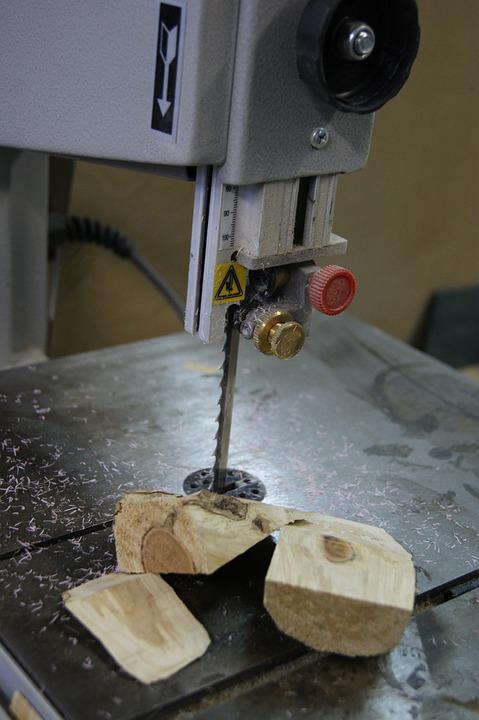
When making scroll saw pattern patterns, there are many things to consider, such as the type and number of sheets to be cut, the size of your pattern, and the wood to be used. To make the project even easier, scroll saw train patterns are available in full-size books. The patterns can also be printed on the opposite side of the page, so that they can be cut directly from the book. These books are great for beginner woodworkers and experienced scroll saw users alike.
Wood requirements
A wide range of woods is required to create scroll saw-train patterns. The most popular options are woods like oak, walnut, and cherry. Birch is another great choice but tends to absorb stain more irregularly than oak. Exotic woods, such as walnut or mahogany, may be required for some other projects. Avoid using fir or luan plywood. Cherry and walnut both have low prices and high strength-to-weight.
Beginning woodworkers shouldn't attempt intricate patterns before they become more proficient. Starters should follow the lines that have been drawn onto the wood and then blend back into them slowly. Keep in mind that scroll saw blades won't be able to cut straight lines. This means that you will need to guide the wood onto a table using your hand. Don't push the blade into the wood. It is a good idea to know the maximum wood your scroll saw can cut.
Pattern size
You can find an assortment of Scroll Saw Train Patterns on various websites. There are two options depending on the type of project you're working on: a large-scale yard art image, or a small scrollsaw shelf project. Scroll saw train patterns are available in many sizes to fit any project. Splitting the patterns on multiple A4 sheets or letter-sized sheets is possible for ease of use. These designs can be printed out and cut right from the book.
Beginner scroll saw users should start with a basic project. Some of the most popular scroll saw patterns are a coaster set, a hanger box, a VW Beetle plaque, and a heart jewelry tree. You can download some of these patterns for free so that you can print them. You can start building once you find the perfect pattern. There are many options. Remember that scroll saw patterns come all in different sizes, and can even be made large!
Numbre of sheets of papers required
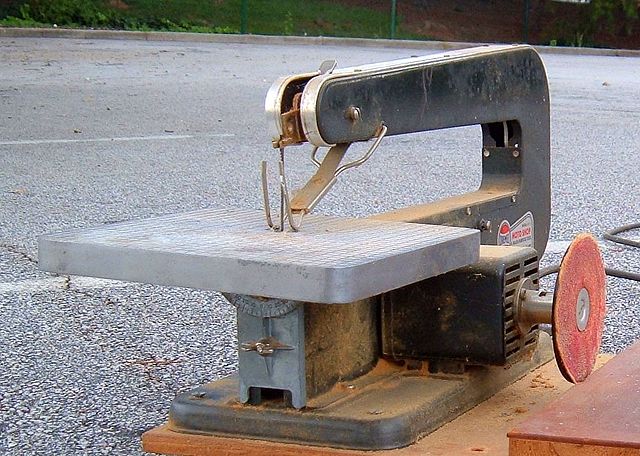
You can print out scroll saw pattern patterns to practice with large pieces. The patterns have no inside cuts. They are also full-size. These patterns eliminate the need to enlarge or save on paper. Print out the pattern on one side and cut out pieces as required. This copy can be used as a guide for larger projects. Remember that practice pieces do not have to be matched together.
Using clear packaging tape is another option. It will help to prevent wood fibers getting stuck to the patterns. Some scroll sawers use painters tape. This is a weaker version of regular paper. Others use a combination of painters tape and clear packaging tape. In any event, be sure to read all instructions and know how to use them. This will help you avoid ruining your patterns.
Evolution of the scroll saw
Despite the fact that the first patent granting a reciprocating steel knife was issued in Great Britain back in 1829. The origins and history of the scroll saw remain elusive. It is not clear when the scroll saw first appeared in Western Europe, but its earliest forms date to prehistoric civilizations, when woodworkers used knives to create intricate cuts. This method of cutting wood is known as fretwork and dates back to the earliest civilizations.
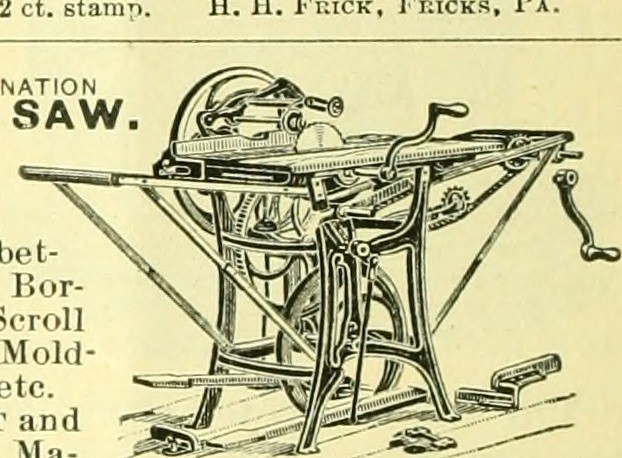
Scroll saws of today are capable to make complex cuts thanks their innovative design features. These scroll saws can do more than just cut straight lines. Many have tilting tables which allow for angle cutting and beveled edges. Some can tilt up to 45° while others can tilt to the left. Others can tilt to both sides. If this isn't enough, you can flip the material over to cut the bevel on either side. Some models have an integrated sawstand so that users can work comfortably standing.
FAQ
What is the minimum investment a hobbyist needs to make in order to get started?
It is likely that you will need some capital in order to buy the required tools and supplies if your goal is to open your own woodworking business. Start by getting a small circular saw saw, drill press or circular saw. These items don't cost much so they won't break your budget.
What is the difference of plywood and particleboard?
Plywood consists of layers made from wood and pressed together by pressure. Plywood can come in many thicknesses and is used for flooring and cabinets. Particle board can be made from sawdust, resin, and then compressed to make large blocks. It's used for home improvement projects. Both types of boards are durable and easy to cut.
How can I keep my shop organised?
The first step toward keeping your workshop clean and organized is to set aside a designated area for storing tools. Keep your tools away from dust and debris, so they stay sharp and ready to work. You can hang tools and accessories with pegboard hooks.
Where do I start with woodworking?
Learning how to build furniture is the best method. Although you will need to have tools and may make mistakes along your journey, you'll soon be able to master it.
Begin by choosing the project that you want to finish. You can make a simple box or a large entertainment center. Once you have settled on a specific project, it is time to find a woodworker in your area who is experienced in such work. Ask him or her for advice on what tools you'll need and where to find them. Ask if you can find someone who does this kind work.
What would be your first step in woodworking?
Start with softwoods, such as pine or poplar. When you feel confident with these two, move on towards hardwood.
Where can I buy woodworking supplies?
There are many places that you can find all the information you need. You can visit your local hardware stores, or you can look online at sites like Amazon.com.
You can also look for used furniture at flea markets or garage sales.
Statistics
- The best-paid 10 percent make $76,000, while the lowest-paid 10 percent make $34,000. (zippia.com)
- Average lumber prices rose about 600 percent between April 2020 and May 2021. (familyhandyman.com)
- If your lumber isn't as dry as you would like when you purchase it (over 22% in Glen Huey's opinion…probably over 10-15% in my opinion), then it's a good idea to let it acclimate to your workshop for a couple of weeks. (woodandshop.com)
- In 2014, there were just over 237,000 jobs for all woodworkers, with other wood product manufacturing employing 23 percent; wood kitchen cabinets and countertop manufacturing employing 21 percent. (theartcareerproject.com)
External Links
How To
How to stain wood
Staining wood refers to applying chemicals to wood's surface. This chemical reaction causes the wood to change in color. This chemical reaction causes the wood to change from white to brownish red. Oak is the most common wood type for staining. However, you can also use other wood types.
There are many ways to stain wood surfaces. Some methods involve mixing the stain with a solvent (such as turpentine) and then brushing or spraying the mixture onto the wood. Others use a solution made up of water and dye, which is then applied directly onto the wood. It is possible to mix stain into varnishes and paints, making it part of the finishing coat.
Preparing your wood for staining is the first thing to do. You must clean the wood well to remove any grease or dirt that might interfere with the application of the stain. Sanding smoothens scratches and rough spots. The next step is to determine the type of stain you would like to use. There are two main types of stain: non-penetrating and penetrating. Penetrating colors penetrate deeper into wood than those that are non-penetrating. This makes them more suitable for darker colors, such as mahogany. Penetrating stains are best paired with lighter colors, such as maple.
Once you have decided on the stain type that you want, get your tools ready. The best tool for applying stains is a paintbrush. It allows you to evenly distribute the liquid over the surface. It is a good idea to have rags on hand in case you need them to clean up any stains that may remain after you have finished painting. If you intend to mix the stain yourself you will need enough containers to hold all the components.
Once you have prepared all your materials, it is time to clean the areas where you will stain the wood. Clean the area with soap and warm water to get rid of dirt and grime. Use a dampened rag and clean water to wipe the furniture. Make sure you eliminate any loose debris, especially if you plan to stain darker wood.
Apply the stain next. Begin at one end and spray or brush the stain on the wood. Move slowly and carefully along the grain of your wood until you reach its opposite end. You must be careful not to allow the stain to drip off the wood's edges. Before proceeding to the next step, let the stain dry thoroughly.
Clear polyurethane is used to protect the painted surfaces. Three coats are recommended for polyurethane. Allow the third coat to dry overnight before sanding the final coat.