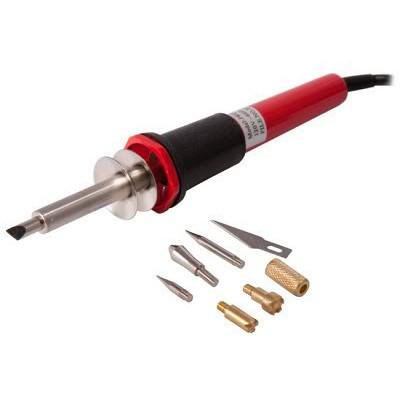
If you have been woodburning for any time, you will likely have noticed that many of these articles are about the newest products. Pyrography, the Art Craft of Woodburning Magazine (Volume 6) is one of the best examples of this. This magazine was written by Michael J. Murphy and published in print by Publisher. There are many magazines that you might be interested in, however.
Stuv
Stuv’s 30-inch Stuv30 woodstoves are available in three operating options: open fire (glass door), and solid door (solid door). The stove is easily visible, and it has a sophisticated design. No matter which setting you choose to use, you'll enjoy the experience. There are three types of flame patterns that you can choose from, each adding a different look to your stove. The Stuv 30 boasts a higher heat output, which provides greater warmth.
Stuv, a manufacturer of woodburning stoves & fireplaces, has a 21-inch model. Its square, modern firebox makes it easy for you to see the fire. It also has a frameless transparent glass door that will not obscure your view. The glass can be raised or lowered, depending on your preference. The fireplace's slim frame allows you to use it with or without glass front.
Phelps Pyrography
Phelps Pyrography Woodburning Magazines has the latest issue. If you are interested in learning more about Pyrography, click here. Pyrography, a form of wood burning that uses heat for creating designs on a surface, is one example. Although it may appear intimidating at first glance, this art form is one of most rewarding and enjoyable forms of woodburning.
Pyrography is simply writing with fire. Therefore, the Greek words "pur” (or "graphos") are used to describe the term "pyrography". This practice dates back to cavemen and was known as fire needle embroidery in the Han Dynasty. Pyrography is a wonderful way to experiment using different materials. It can also be used in functional and decorative projects.
Australian Woodworker
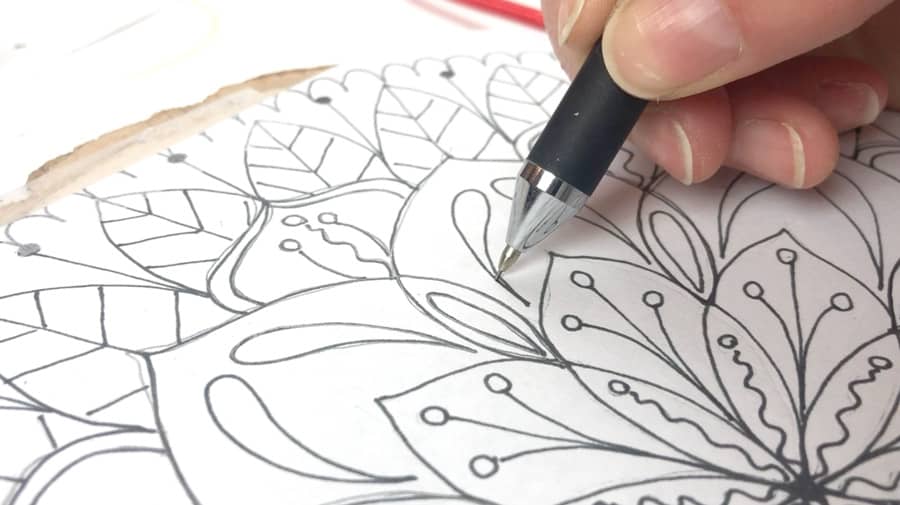
Australian Woodworker is a bi-monthly magazine devoted to all aspects of woodworking in Australia. It is the leading publication in Australia for woodworkers. It features the latest news, both from Australia and abroad. Its extensive section on woodcarving features the work of top professionals and talented amateur carvers.
Australian Woodworker contains informative articles and a variety pyrographers. This includes Brian Graham, an Australian Elbowlake artist as well Deb Howard, David Kreider, Francois Peters, and Francois Peers, a Belgian-based pyrographer. The magazine also contains reviews of new tools and techniques and a comprehensive step-by-step guide to woodburning. Fox Chapel Publishing publishes this magazine, as well as books, magazines, patterns, and other publications.
Mauch's
Mauch had been a drummer for The Ballroom Thieves in Boston a year prior. He tapped into his inner Thoreau and headed out to Maine, where he began to explore pyrography, or burning images into wood. He discovered a love of pyrography along the way, and eventually started publishing a woodburning journal.
Bowers
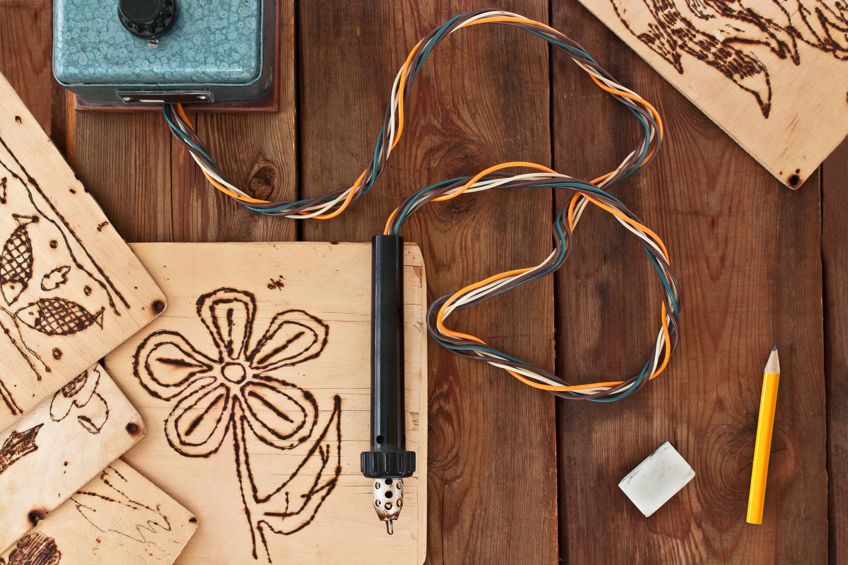
Alexandra Bowers, an artist, was featured in a Bowers woodburning issue. Bowers was born and raised in Scottsdale Arizona. She spent her childhood exploring the desert with her family. This passion fuelled her love for the process. She has sold her pieces online and at the Made Boutique in downtown Phoenix. She also has a website where readers can learn about her art.
Pyrography magazine's year-end issue is available in magazines, on newsstands and via mail order. Each issue includes inspiring galleries and detailed step-by–step articles, fascinating artists, and creative projects. Also included are reviews of new tools. Fox Chapel Publishing also publishes magazines, books and patterns. Pyrography magazine is published by Fox Chapel Publishing. While the majority of the articles are about woodworking, the magazine also covers sewing.
FAQ
What is the difference between a hobbyist or a professional woodworker, and how can you tell?
Hobbyists love making things from wood while professionals are more concerned with the quality of their work. Hobbyists usually take pride in their creations and often share them with friends and family. Professionals will spend hours looking at designs before they start to build a project. They will meticulously plan every detail of their work from choosing the right materials to finishing it.
How long does a piece take to finish?
It depends on the type of wood you choose, the complexity of the design, and the amount of finishing you apply. Hardwoods require more care than softwoods. Hardwoods tend to be more expensive that softwoods. But they last longer and resist moisture better. The typical time taken to finish a piece furniture takes anywhere from one to three month.
Are there any other things I should know regarding woodworking?
It is easy to underestimate the amount work involved with furniture construction. The hardest part of the process is actually finding the right wood. It is difficult to choose between the various types of wood.
A problem is that wood doesn't have the same properties. Wooden can split or crack, while some woods may warp. You must take these things into consideration before purchasing wood.
How can I determine which tools are most suitable for me?
It's important to consider your preferences and needs when buying tools. Do you prefer metal or plastic handles? What size nails and screws do you usually use? Do you prefer hand tools over power tools?
What is the minimum investment a hobbyist needs to make in order to get started?
If you're looking to start your own woodworking business, you'll probably need some capital to buy the necessary tools and supplies. You can start by purchasing a small table saw and drill press as well as a circular saw, circular saw, jigsaw and sanding machines. These items don't cost much so they won't break your budget.
What furniture can I refinish?
Yes! There are many different ways to refinish older furniture without the need for professional help. Here are a few suggestions:
Sandpaper can be used to remove stains and scratches. Use a clean cloth to wipe the surface.
Use clear polyurethane varnish. Allow to dry completely before moving furniture.
Acrylic paint is a great way to paint furniture.
Use stain instead of paint. Furniture will look richer with the stain.
Use shellac wax. The wax will add shine to the wood and protect it.
Statistics
- The best-paid 10 percent make $76,000, while the lowest-paid 10 percent make $34,000. (zippia.com)
- Woodworkers on the lower end of that spectrum, the bottom 10% to be exact, make roughly $24,000 a year, while the top 10% makes $108,000. (zippia.com)
- Overall employment of woodworkers is projected to grow 8 percent from 2020 to 2030, about as fast as the average for all occupations. (bls.gov)
- Average lumber prices rose about 600 percent between April 2020 and May 2021. (familyhandyman.com)
External Links
How To
How to make wood joint
This tutorial will teach you how to join two pieces wood together. We will use the "pockethole joint," which means that we drill holes in the wooden pieces and then glue them together. This method is great if your wood's straight and smooth. Try dowel joinery instead if your wood doesn't look straight. These are the steps
-
Drill Pocket Hole Joints. Measure and mark the location where you would like to place the pocket hole joint. You will then drill 3/4" deep holes through each piece of wood with a jigsaw, handheld drilling machine, or hand-held drill.
-
Sand Smooth. The wood's edges can be sanded to prevent splitting.
-
Glue Together Apply glue on both sides of the wooden plank. Allow it to sit for approximately 5 minutes before you clamp the pieces together.
-
Connect the pieces. After the glue has dried completely, you can clamp the pieces together until they are flush.
-
Trim Joinery. Trim any excess wood surrounding the joint once the glue has dried completely.
To be able to turn the pieces inside-out, leave enough room between them.