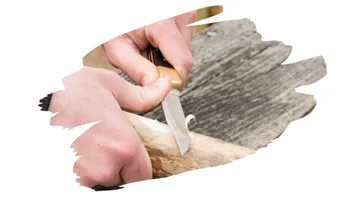
Although there are many different pocket knives available, the best one will be able to meet the needs for different levels of whittling. This guide will focus on topics such the Morakniv Wood Carving164 as well the Boker Carver's Congress Whittler. You should keep in mind that different knives are suited for different woodcarvers. Your skills and budget will determine which knife is best.
Morakniv Wood Carving 164
The Morakniv Wood Carving 166 is a specialist tool that works with wood. This knife can be used to carve spoons or scoop wood. Its rounded design allows it to perform tasks that an ordinary knife cannot. It features a stainless-steel blade and a leather sheath. To suit your needs, you can choose from a left-handed or right-handed version.
The knife's curved blade is the most common feature, and it's a fantastic option for smaller projects. It's made of durable steel that holds an edge throughout your project. Based on the size and complexity of your project, you can choose from a flat or curving blade. A Morakniv wood carving set comes with a dozen knives in a curved and flat style, including a small hook knife for palm-sized carvings.
The Morakniv Ambassador knives are a great tool to learn and practice carving. The blade measures 1.6 inches and is made of high quality stainless steel. It can be used to perform a wide range of tasks. To protect the blade, the 164 knife comes with a leather wrapping. The knife is strong and durable, making it an ideal tool for wood carvers. This knife can be used to make small spoons and bowls, but it will need some maintenance.
Boker Carver’s Congress Whittler
Boker Carver’s Congress Whittler, a pocket knife made from high carbon steel and designed by a woodcarver, is equipped with four blades that can be used for various types of woodworking. It's perfect for collectors, woodworkers, and anyone who appreciates rosewood scales. This pocket knife is also ideal for everyday use. Continue reading to find out more about this pocket knife.
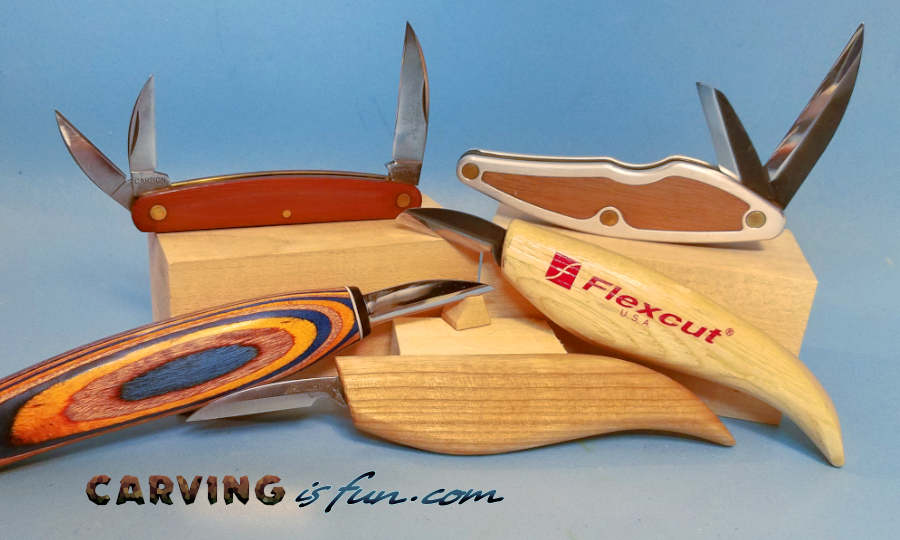
Boker Carver's Congress Whittler Pocket Knife is specifically designed for whittling. It features a Wharncliffe knife for slicing, and a pen blade to dig out wood. Spey blades are useful for scooping, cutting, and whamcliffing. Boker Carver’s Congress Whittler Pocket Knife offers a robust design and a strong backspring. This makes it perfect for any type of whittling.
This pocket knife made from 1095 Carbon Steel is very strong and can withstand extreme pressure and torque. The closed length of the knife is just 3 1/2 inches. It was manufactured in Germany at Solingen. The blades are protected by a limited lifetime warranty, and the Boker brand's trademark is a chestnut tree. The design of the whittler is synonymous with precision and quality craftsmanship.
Flexcut Pocket Jack for Carvin
The Flexcut Pocket Jack Pocket Jack for Carvin Whiting Pocket knife is an excellent multitool. The Flexcut Pocket Jack for Carvin whiting pocket knife features multiple blades. This knife is ideal for whittling or other similar tasks due to its large blades and multiple functions.
This knife is a right handed version of the famous Carvin Jack. It is 4 1/4 inches long and comes with a leather sheath. You will receive instructions and a slipstrop to help you sharpen or polish your tools. It can also fit in a backpack or toolbox. Flexcut offers a left handed Carvin Jack version. This can be carried in a pocket.
The Flexcut Carvin Jack is an excellent multitool for wood carving. This multitool can be used virtually anywhere. Its blades are exceptionally sharp and retain their edge for years. It is suitable to cut any kind of wood from wood shavings to carved. Flexcut Jacks can be a great investment for woodcarvers.
FAQ
Is it difficult to start my woodworking business?
It is not easy to start a woodworking business. There are many requirements and regulations that must be followed. It doesn't mean that you have to go through the entire process of starting a business. Many people decide to join established businesses. You only need to pay membership and tax fees.
Is it possible to refinish your own furniture?
Yes! There are many different ways to refinish older furniture without the need for professional help. Here are some ideas:
Use sandpaper for removing stains and scratches. Then wipe down the surface with a clean cloth.
Use clear polyurethane varnish. Allow furniture to dry completely before you move it around.
Paint furniture with acrylic paint.
You can stain the furniture instead of using paint. The stain will give the furniture a rich look.
Use shellac wax. Wax will protect the wood and add shine.
Where can I buy woodworking supplies?
There are many places where you will find everything that you need. You could shop at your local hardware store or go online to Amazon.com.
You can also search flea and garage sales for furniture and other materials that can be reused.
What is the minimum investment a hobbyist needs to make in order to get started?
It is likely that you will need some capital in order to buy the required tools and supplies if your goal is to open your own woodworking business. A good place to start would be by buying a small table saw, drill press, circular saw, jigsaw, and sanding machine. These items won't break the budget and aren't expensive.
How often should I buy new supplies?
You may have to replace certain tools. Sharpening hand tools is a must. And if you're using power tools, you'll need replacement parts periodically. Spread your purchases over several months to avoid purchasing too many items at once.
Which woods are good to use for furniture-making?
Woods can be classified according to how hard they are. Softwoods include pine, fir, cedar, and cypress. Because they are resistant, they can be used for outdoor furniture. These hardwoods include maple, mahogany and teak. They're generally used indoors because they won't weather well outdoors.
What's the difference?
Hobbyists enjoy making things out of wood, whereas professionals focus more on the quality of their work. Hobbyists usually take pride in their creations and often share them with friends and family. Professionals spend hours researching design ideas before starting to work on a project. They will meticulously plan every detail of their work from choosing the right materials to finishing it.
Statistics
- Most woodworkers agree that lumber moisture needs to be under 10% for building furniture. (woodandshop.com)
- The U.S. Bureau of Labor Statistics (BLS) estimates that the number of jobs for woodworkers will decline by 4% between 2019 and 2029. (indeed.com)
- If your lumber isn't as dry as you would like when you purchase it (over 22% in Glen Huey's opinion…probably over 10-15% in my opinion), then it's a good idea to let it acclimate to your workshop for a couple of weeks. (woodandshop.com)
- Average lumber prices rose about 600 percent between April 2020 and May 2021. (familyhandyman.com)
External Links
How To
How to drive a nail through wood
First, choose the right size and type of tool to drive a nail through wood. The most common types of hammers are claw hammers, sledgehammers, mallets, ball peen hammers, and hatchets. Each type of hammer comes with its advantages and disadvantages. A claw hammer is best for hitting nails or hard objects. However, it can be difficult to pinpoint exactly where the blow will land. The sledgehammer works well for large areas, but is too heavy for smaller tasks.
Place your hand flat on the side of your chosen hammer so that the handle rests in your palm. Take the handle and hold it with both hands. But don't press down so hard you injure yourself. Hold the hammer straight up, keeping your wrist relaxed. Next, swing the hammer toward the ground and aim for the nail's center. You should feel the impact of your hammer hitting the nail. Try swinging a hammer using a block wood to practice until you are comfortable.
Hold the hammer near your body until you're ready for the nail to be driven. Place the nail so that it is perpendicular with the wood's surface. Your eyes should be focused on the nail's tip. Swing the hammer forward, then follow through with the motion of the hammerhead. Repeat this action several times, gradually increasing the speed of the swing. Once you have mastered this technique, increase the power of your swings. Hold the hammer high above your shoulders and pull it down. You'll have more energy to work with.
Once you've nailed the first hole, remove the hammer from the nail. To remove the remainder of the nails, you can use a screwdriver/pry bar. To prevent splitting the wood, ensure you keep the nail heads flush against the board's surface.