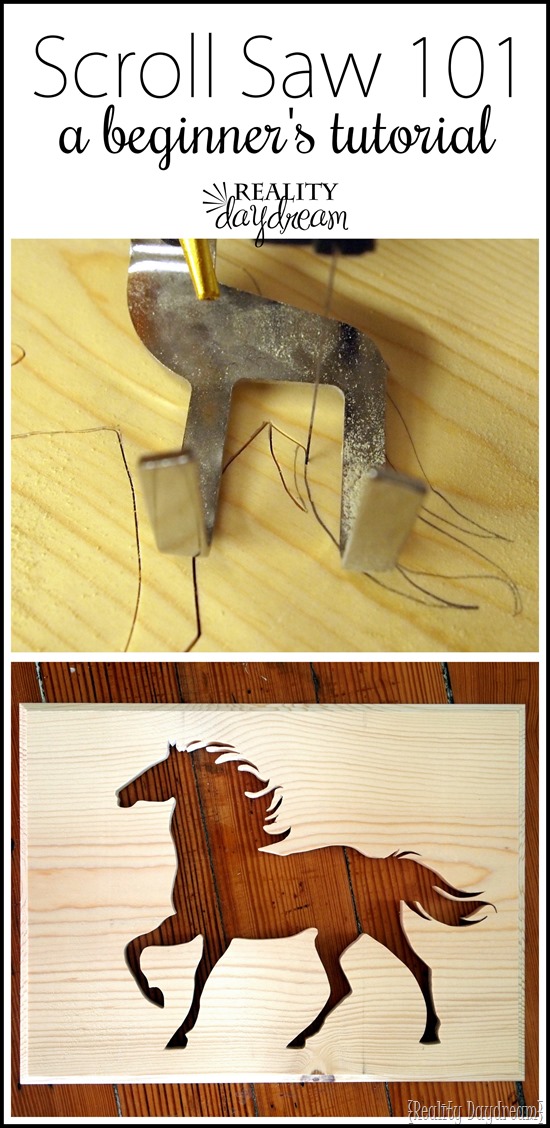
You've probably seen fretwork, a decorative detail found in Victorian homes. This period is remembered by the intricate woodworking and graceful interlacing patterns. This sourcebook contains elaborate plates with authentic patterns for fretwork, finials, banisters, interlaced vines, foral carvings, and scrollwork. The book offers detailed instructions about how to prepare your Scroll Saw for fretwork.
Creating victorian fretwork patterns
The timeless fretwork pattern is a great choice for any home, whether you are making a Victorian-inspired table, window treatment or screen. This detailed guide features full-size, shaded patterns, detailed instructions, and close-up photos of vintage pieces. They are very popular today and can be found everywhere, from furniture to bedding to rugs. For tables and cabinets, fretwork patterns also add elegance to any space.
Preparing your scroll saw to fretwork
If fretwork is something you've never attempted before and you're new to woodworking, you might find it daunting. However, once the tools and knowledge are in place, you can make it easy. Traditionally, this type work was done with handsaws. However scroll saws made it easier. Scroll saws are equipped with a blade that can be taken off, making it possible to create different patterns from wood sheets and panels.
You will first need to prepare your scroll saw by drilling starter holes. The starter holes should be located about a quarter inch from the scroll saw's inside edge. These holes can be made with a 5mm drill bit. Make sure that they are large enough to allow the scroll saw blade through. After drilling the starter holes, it's time to start cutting the wood pieces.
Once your scroll saw's blade has been sharpened enough to cut the proper size and shape of wood, you can begin carving. Marquetry involves the application of different wood veneers to a wood surface. Marquetry is considered an art form and requires a skilled woodworker. This type of woodworking is not for beginners. However, you can create beautiful pieces for your home or office with a scroll saw.
Victoria Fretwork Cross
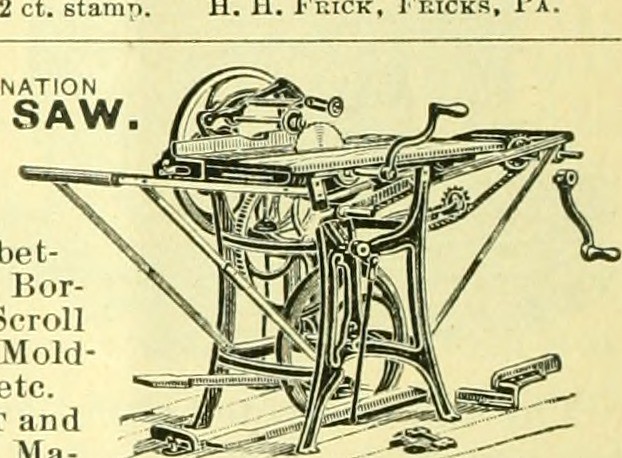
You've probably heard of fretwork before, but have you ever considered making your own Victoria Fretwork Cross? These cross-shaped ornaments can be framed or displayed in bright sunlight. These easy-to-make projects have beautiful curves and scrolls. They are also simple to install. Wood veneer is an affordable and reliable option. There are many types of fretwork patterns, including whimsical and geometric patterns.
You can make a basic Victoria fretwork cross from parchment paper. However, you must be capable of bending it in the form shown. Taper the masts up and point the cross spars on each end. Use a fretsaw to cut your pieces and finish them with paint. You should finish your piece by adding a red cross to help you identify it. Be sure to carefully follow the instructions.
FAQ
Where do I get my woodworking supplies?
You can find everything you need in many places. You could shop at your local hardware store or go online to Amazon.com.
For furniture and other materials that you can reuse, check out flea markets and garage sales.
What's the time taken to finish a piece furniture?
It depends on what size piece of furniture you have. Boxes and picture frames are small projects that can be completed in one day. Larger projects like dining tables and desks require several days. It takes time to properly stain and seal wood.
Where can I get free woodworking plans?
Woodworking plans can be found online without the need to purchase books or magazines. All you need to do is search Google. You can search Google for "free woodworking" and hundreds of websites will appear allowing you to download plans.
Are you a genius in order to master woodworking?
No. Woodworking is not difficult. It is possible to learn basic tools and techniques that will allow you to create beautiful art.
What is the difference in plywood and particleboard?
Plywood can be described as a mixture of layers and wood that have been pressed together with pressure. Plywood is available in a variety of thicknesses. It is often used to make cabinets or flooring. Particle board is made up of sawdust mixed in resin, then compressed into large pieces. This board is commonly used in home improvement projects. Both boards are strong and can be easily cut.
How often should I purchase new supplies?
Over time, you may need to replace your tools. If you're using hand tools, you'll need to sharpen them regularly. You'll also need to replace parts if you use power tools. To avoid buying too much at once, try to spread your purchases out over a few months.
What's the difference between a hobbyist and a professional woodworker?
Hobbyists are passionate about making things from wood, while professionals tend to be more focused on the quality and craftsmanship of their work. Hobbyists often take pride in the creations they make and often share them to family and friends. Professionals will spend hours researching designs before they begin working on a project. They will pay attention to every detail, from selecting the best materials to finishing the project perfectly.
Statistics
- Woodworkers on the lower end of that spectrum, the bottom 10% to be exact, make roughly $24,000 a year, while the top 10% makes $108,000. (zippia.com)
- The best-paid 10 percent make $76,000, while the lowest-paid 10 percent make $34,000. (zippia.com)
- If your lumber isn't as dry as you would like when you purchase it (over 22% in Glen Huey's opinion…probably over 10-15% in my opinion), then it's a good idea to let it acclimate to your workshop for a couple of weeks. (woodandshop.com)
- The U.S. Bureau of Labor Statistics (BLS) estimates that the number of jobs for woodworkers will decline by 4% between 2019 and 2029. (indeed.com)
External Links
How To
How to stain hardwood
Staining wood is the process of applying chemicals to the wood's exterior, which alters its color. This chemical reaction causes wood to turn from whiteish to brownish. The most common type of wood used for staining is oak, although many other types of wood can be stained.
There are several ways to apply stains to wood surfaces. One method involves mixing the stain and a solvent and then spraying it on the wood. Other methods use a solution of water and dye applied directly to the wood. Stains can also be mixed into paints and varnishes, becoming part of the finish coating.
Preparing the surface is the most important step in staining wooden surfaces. Cleaning the wood thoroughly removes any dirt or grease that could interfere with applying the stain. Sanding the wood removes scratches and imperfections. The next step is to choose the stain type you want. There are two types of stains that can be used: penetrating and non-penetrating. Penetrating stains penetrate deeper than non-penetrating stains, which makes them great for dark colors like mahogany. Light colors such as maple work well with non-penetrating stain.
After deciding on the type of stain, you want to apply, prepare your tools. Because you can spread the stain evenly with a paintbrush, it is ideal for applying them. You should also have some handy rags to wipe up excess stains after you finish painting. If you plan to mix the stain yourself, make sure you have enough containers available to hold the different components of the mixture.
After you have prepared the materials, you can clean the area where you want to stain the wood. Clean the area with soap and warm water to get rid of dirt and grime. Use a dampened rag and clean water to wipe the furniture. Take care to remove all debris and dirt, especially if you are planning on staining darker wood.
Next, spray the stain. Start at one end of the piece of furniture and brush or spray the stain onto the wood. Move slowly and carefully along the grain of your wood until you reach its opposite end. The stain should not drip off of the wood's edge. Before proceeding to the next step, let the stain dry thoroughly.
To protect the painted surface, apply a coat of clear polyurethane sealant. Apply three coats of polyurethane sealer. Allow the third coat, which should dry overnight, to dry before sanding.