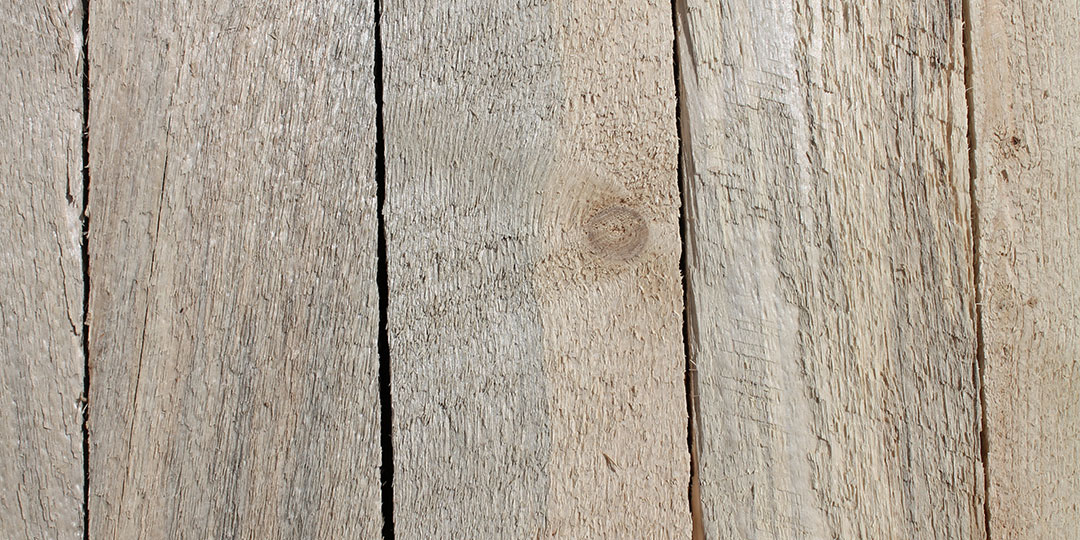
It can be difficult to transport rough lumber in your car. When you visit the store, make sure you have your tape measure and hand saw. If the board you purchased does not fit, it is worth purchasing additional boards. You should also ensure that the board has checks and knots. They may not be as easy to plane down as you expected. It's not worth ripping a board and starting over. You will be wasting your time and money. It is better to purchase one or two more boards.
Minimal wastage
A sawmill usually turns 59% of rough lumber into boards when cutting it. The remainder of the log can be considered waste, including sawdust, bark, chips and chips. Although a less perfect cut can result in more waste than a perfect cut, it should still not exceed 20%. Here's a simple formula to estimate the amount of wasted wood in a board. For a 4-foot board, the sawmill must remove 18% from its volume to obtain the desired lumber thickness.
For one, rough lumber doesn't come in uniform sizes. You can plan your project around the dimensions of hardwood purchased at big-box stores. The rough edges of lumber can be uneven, which leads to wasted material. A lot of lumber is wasted because rough-cut lumber requires a standard width. These wastes can't be recycled later.

Preparation
Measure the length of your material before you start cutting rough lumber. Rough lumber may not arrive at the lumber yard perfectly flat. You may need to flatten it several times as it may not have parallel edges or faces. The rule of thumb is 1/16" per pass. If your lumber has concave sides, it is best to run it through the circular saw with the concave edge down.
Generally speaking, rough cut lumber should be flattened to about 1/4" thick before the saw cuts it. After flattening your face, plane the board to the desired thickness. Measure the length and width of the finished lumber once you have determined the thickness. Remember to plan around any imperfections that may be present. Make sure to leave at least one-quarter inch of space between each board. Plan your project around the available boards. Do not buy lumber that is uneven. It will be difficult to work on boards that are bowed, warped or twisted.
Cost
There are two types if lumber: rough-sawn lumber and dimensional lumber. Home improvement stores typically carry finished lumber, but less often rough-sawn. Lumber yards and local sawmills tend to carry both types of lumber. The difference between the two types is in the amount of work required to process them. Because it takes less work to make, rough-sawn boards are more affordable. It is also thinner and wider than finished lumber.
While purchasing lumber from a mill/lumber yard is usually cheaper, it is less likely that the lumber will be available in standard lengths. Making your own lumber can save you money over buying rough-sawn lumber. However it will require some space and additional power. Milling equipment also requires training and can be noisy. You might want to check the zoning laws for your area before you start using your mill.

Source
There are many options for lumber purchases. There are many different sizes, shapes or finishes that you can choose from. Rough sawn lumber for example is unfinished lumber that has not been sanded or finished and which has been cut into planks. This type of lumber tends to be stronger than other types because it carries extra moisture, but it is also thicker than surfaced wood. Here are some of the benefits you get from rough sawn lumber when woodworking.
The first pro is its low cost and availability. Rough lumber cannot be treated and isn't usually sold in hardware stores. However, this type lumber comes with its own pros and cons. Although it is less expensive per board foot, it is more expensive to transport. Additionally, it takes longer to finish than treated lumber. When deciding how many lumber to buy, this is an option you may want to consider. Consider purchasing large quantities of rough sawn lumber and small amounts for finishing if you intend to use it for your project.
FAQ
What amount of money do I need to get started with my business?
Each project is unique so there aren’t exact numbers. These factors will help you get an estimate of how much money is needed.
-
Material costs
-
Tools and equipment
-
Time spent on the project
-
Hourly rate
-
What amount of profit can you expect to make?
-
Hire help
If you're just starting out, you may decide to start small by making simple items such as boxes and picture frames. As you gain experience, more difficult projects will become possible.
Do I have the potential to make a decent living doing this?
Yes! In fact, many woodworkers already do. According to the U.S. Bureau of Labor Statistics (BLS), the median annual wage for woodworkers was $34,000 in May 2012. This is significantly higher than the national average, which is $31,000 per year.
What would you recommend as a starting material for woodworking?
Start with softwoods, such as pine or poplar. When you feel confident with these two, move on towards hardwood.
Where can I buy hardwood lumber?
Home Depot can sell hardwood lumber. You can find all types of wood products at Home Depot, such as flooring, cabinets and furniture.
A wide range of engineered hardwoods are also available, such as Ipe and Brazilian Cherry (Pau d'Arco), Mahogany and Swietenia Macrophylla.
You can find these woods for sale online by searching "hardwood lumber" on Google.
Where can I purchase woodworking supplies
You can find everything you need in many places. For example, you could visit local hardware stores or look online at websites like Amazon.com.
You can also check garage sales and flea markets for old furniture and other materials you can reuse.
Statistics
- If your lumber isn't as dry as you would like when you purchase it (over 22% in Glen Huey's opinion…probably over 10-15% in my opinion), then it's a good idea to let it acclimate to your workshop for a couple of weeks. (woodandshop.com)
- Overall employment of woodworkers is projected to grow 8 percent from 2020 to 2030, about as fast as the average for all occupations. (bls.gov)
- Average lumber prices rose about 600 percent between April 2020 and May 2021. (familyhandyman.com)
- The U.S. Bureau of Labor Statistics (BLS) estimates that the number of jobs for woodworkers will decline by 4% between 2019 and 2029. (indeed.com)
External Links
How To
How to join hardwood without using nails
Woodworking is a popular hobby. Woodworking is a relaxing hobby that allows you to use your hands to create useful things from wood. However, there are times when you want to join two pieces of wood together without having to use nails. This article will show you how to do it to make your woodwork projects look great.
Before you can join the wood pieces together, you need to remove any rough edges. Avoid leaving sharp edges that could lead to problems later. Once you've done this, you're ready to start gluing your boards together.
If you are working on hardwood, you should only use glue on one side. You should glue both sides if you are working with softwoods such as pine and cedar. Once the glue has dried, press the boards together until they are fully adhered. After applying the glue, let dry the boards before proceeding to the next stage.
After you glue your boards together, drill holes at the joints where screws will be inserted. The size of these holes depends on what type of screw you choose to use. For example, if you intend to use 1/2-inch wood screws, you need to drill a hole that is at most 3/4 inches deep.
After drilling your holes, drive the screws into the board's backside. You should be careful not to touch the board's front surface. This could cause damage. When driving the screws, try to avoid hitting the ends of the screws too much. This will avoid splitting in the wood's ends grain.
You'll need to protect your completed project from the elements. To do this, you can seal the entire furniture piece or just cover the top. It doesn't matter what method you use, you want something that will last many years. You can choose from oil-based varnishes or polyurethane, shellac and lacquer as examples.
These products are available at most home improvement stores. You should make sure you are getting the right type for the job. Some finishes are toxic and should not ever be used indoors. Wear protective gear whenever you are handling them.